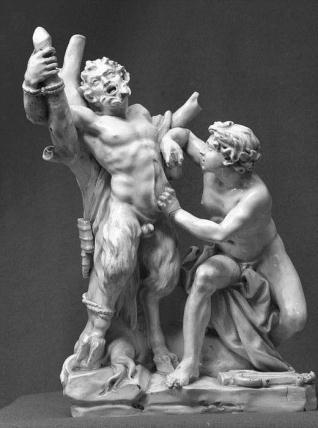
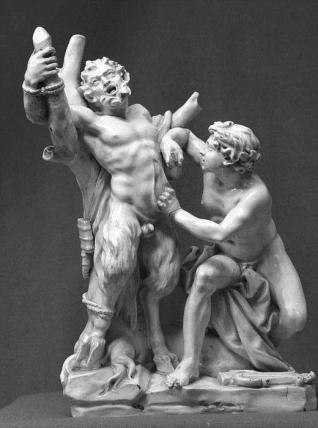
Marsias (or Marsyas) is a fascinating figure from Greek mythology and a symbol of both artistic ambition and the dangers of hubris. He was a satyr from Phrygia, known for his exceptional talent in playing the aulos—a double-piped flute that produces a haunting, captivating sound. His myth is one of creativity, rivalry, and ultimately, tragedy.
The story begins with the goddess Athena. According to myth, Athena crafted the aulos and was the first to play it. However, when she saw her reflection while playing and noticed how her cheeks puffed out, she abandoned the instrument in embarrassment. The flute, discarded and forgotten, was later discovered by Marsias. Enchanted by its sound, he picked it up and quickly mastered it, his skills earning him great fame across the land.
Feeling emboldened by his musical prowess, Marsias dared to challenge Apollo, the god of music and the lyre, to a contest. The stakes? The loser would have to submit to any punishment chosen by the victor. It was a bold move for a mortal, let alone a satyr, to challenge a god known for his mastery of all arts.
Judges were chosen—either the Muses or the Nysiads, depending on the version of the myth—along with king Midas, and the contest began. Marsias played his flute with extraordinary skill, producing melodies so enchanting that even the gods were captivated. Apollo responded with his lyre, and the two musicians were evenly matched. To break the tie, Apollo added a twist. He began to sing while playing, something Marsias could not do with his flute. This gave Apollo the edge and secured his victory.
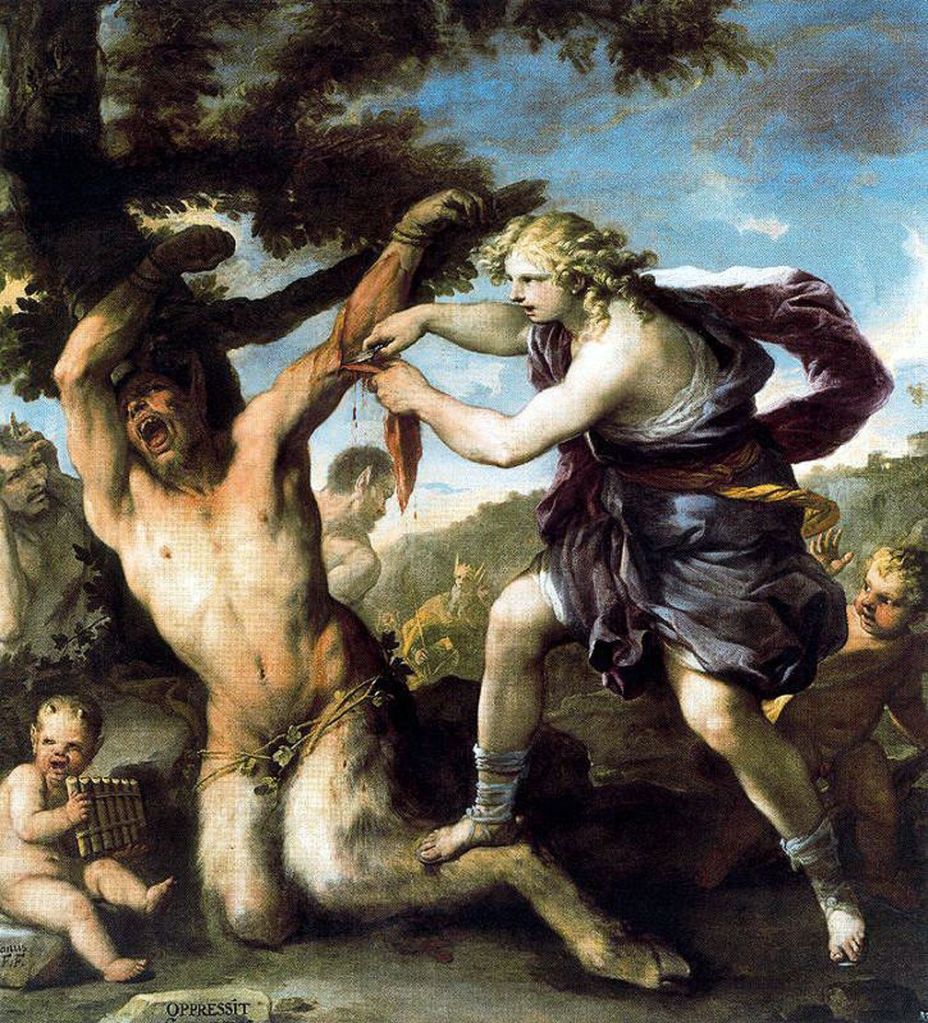
As punishment for his audacity, Apollo chose a brutal and tragic fate for Marsias: he was tied to a tree and flayed alive. This act served as a grim reminder of the dangers of challenging the gods and overestimating one’s place in the divine order. Marsias’s death did not go unnoticed. The myth tells us that his blood and tears gave rise to the Marsias River in Phrygia, a lasting testament to his life and tragic end. In some versions, the gods themselves mourned his death, highlighting the cruel balance between creativity and punishment in mythology.
Marsias’s story is more than just a tale of a satyr and a god. It symbolizes:
• Artistic Ambition: Marsias represents the heights of human creativity and the desire to push boundaries.
• Hubris: His challenge to Apollo serves as a cautionary tale about the risks of overreaching, especially when confronting the divine.
• Freedom and Suffering: In some interpretations, Marsias’s story has been seen as a symbol of free expression and the price one pays for standing out.
Marsias’s story has been told and retold by various ancient authors, each adding their perspective to the myth:
• Herodotus: The historian mentions a statue of Marsias in Celaenae, Phrygia, where the satyr was revered as a symbol of freedom of speech.
• Plato: Marsias appears in Plato’s dialogues as a figure associated with artistic inspiration and rivalry.
• Ovid: In his Metamorphoses, Ovid vividly recounts the contest and punishment of Marsias, emphasizing the emotional and moral undertones of the story.
The myth of Marsias has inspired countless works of art, from ancient sculptures to Renaissance paintings. His figure has been interpreted in many ways, from a tragic victim of divine cruelty to a bold symbol of defiance and human creativity.
Marsias’s story resonates even today as a tale of ambition, artistry, and the fine line between confidence and arrogance. His courage to challenge a god, even at great personal cost, speaks to the timeless human spirit that strives to create, to compete, and to leave a mark.
This story of Marsias is not only central to Greek mythology but also a compelling reminder of the beauty—and the cost—of pushing the boundaries of art and ambition. Here are some great resources to dive deeper into the greek myth of Marsias:
 Marsias
Leave a comment